

DDA Compliance Audits & Accessibility Assessments – Disability Discrimination Act Consulting
DDA Compliance Audits & Accessibility Assessments | RSA Road Safety Audits
Ensuring that public infrastructure is accessible to all Australians is not simply good practice – it is a legal requirement. DDA compliance sits at the heart of every decision councils, government agencies and infrastructure managers make when designing, building and maintaining pedestrian paths, public transport stops, shared-use paths and streetscapes. Yet despite the clear obligations set out in the Disability Discrimination Act 1992 (Cth), non-compliant infrastructure remains widespread, exposing asset owners to complaint processes, litigation and – most importantly – preventable harm to people with disabilities.
RSA Road Safety Audits provides specialist DDA compliance audits and accessibility assessments that help infrastructure owners identify gaps, prioritise remedial works and demonstrate due diligence. From council footpath networks to tram superstops and bus interchange upgrades, our auditors bring decades of road safety and accessibility expertise to every project.
What Is DDA Compliance for Public Infrastructure?
DDA compliance refers to the obligation of infrastructure owners and managers to ensure their assets do not discriminate against people with a disability. The Disability Discrimination Act 1992 (Cth) is the overarching federal legislation, but in practice, compliance for public infrastructure is assessed against a web of supporting standards, guidelines and state-based requirements.
For councils and transport agencies, DDA compliance most commonly applies to:
– Footpaths and shared-use paths – surface quality, cross-fall, gradient, width and obstacle clearance.
– Pedestrian crossings and traffic signals – tactile ground surface indicators (TGSIs), kerb ramp geometry, audio-tactile push buttons and pedestrian signal timing.
– Bus stops and tram stops – boarding points, shelter access, kerb heights, signage and wayfinding.
– Public transport interchanges – platform edges, ramps, lifts, handrails and compliant wayfinding signage.
– Car parks – accessible parking bay dimensions, signage, surface grades and path-of-travel connections.
– Public buildings and facilities – entry points, doorways, amenities and circulation spaces where they connect to the pedestrian network.
DDA access is not simply about installing a ramp or a TGSI pad. It requires a holistic assessment of the entire path of travel a person with a disability would use – from arrival point to destination – measured against quantified criteria for gradient, cross-fall, surface condition, width, luminance contrast and tactile information.
When we talk about DDA accessibility in the context of road safety auditing, we are looking at the outdoor pedestrian environment: the streets, paths, crossings and stops that connect people to services. This is where RSA’s expertise in road safety and pedestrian infrastructure intersects directly with accessibility compliance.
For infrastructure owners, DDA compliance is assessed against a set of Disability Standards that have legal force under the Act. The two most relevant to road and transport infrastructure are:
Disability Standards for Accessible Public Transport 2002 (DSAPT) — Sets minimum performance standards for public transport infrastructure including bus stops, tram stops, train stations, and the pedestrian paths that connect them. These standards apply to operators and providers of public transport services and their infrastructure.
Disability (Access to Premises — Buildings) Standards 2010 (DAPS) — Governs access requirements in buildings and facilities, relevant where infrastructure projects include built structures such as shelters, amenity buildings, and multi-storey car parks.
Compliance with the relevant Disability Standard provides a defence against a DDA complaint. Failure to meet the standards — or to have a structured program for achieving compliance — leaves infrastructure owners exposed to formal complaints with the Australian Human Rights Commission and potential civil liability.
DDA Requirements for Roads, Footpaths and Pedestrian Facilities
The DDA’s practical application to road infrastructure centres on the concept of the Continuous Accessible Path of Travel (CAPT) — an unobstructed route that a person using a wheelchair, mobility aid, or white cane can navigate safely and independently between key destinations.
For councils and road authorities, this means assessing and maintaining:
Footpaths and shared paths — Surface condition, crossfall, gradient, width, and freedom from obstacles. A footpath that is technically present may still constitute a barrier to access if it is too steep, too narrow, poorly surfaced, or blocked by street furniture, signage, or vegetation.
Kerb ramps and crossings — Kerb ramps must meet dimensional requirements for gradient and width, and must be correctly positioned relative to the pedestrian crossing. Misaligned kerb ramps — a common finding — direct pedestrians into the path of traffic rather than across it safely.
Tactile Ground Surface Indicators (TGSIs) — Detectable warning surfaces that alert people with vision impairment to hazards (hazard TGSIs) or guide them along a path (directional TGSIs). Incorrect placement, wrong colour contrast, incorrect dimensions, or deteriorated surface condition are among the most frequently identified DDA non-compliance issues in transport infrastructure.
Accessible pedestrian crossings — Including pedestrian signal timing, audible and tactile signals, and the geometry of the crossing itself.
Bus stops and public transport access points — Boarding platforms, shelter access, path connections, and TGSI placement relative to the boarding zone.
Car parks — Accessible parking space dimensions, location relative to building or facility entrances, path of travel from parking to destination, and signage.
The Disability Standards for Accessible Public Transport (DSAPT) and Road Infrastructure
The DSAPT is often associated with vehicles and stations, but its reach extends to the full journey chain — including the road and footpath infrastructure that connects people to public transport. For councils and road authorities, this means that bus stop upgrades, intersection treatments near train stations, and pedestrian path works near public transport hubs all fall within the DSAPT’s scope.
The DSAPT established a phased compliance schedule. The final phase deadline for most infrastructure elements has now passed, meaning providers are expected to have achieved compliance — not to still be working toward it. Councils and transport authorities that have not yet audited their public transport infrastructure against DSAPT are at significant risk of non-compliance.
RSA’s team has direct experience with DSAPT compliance audits across bus networks, tram stop programs, and rail station precincts, including our involvement in Melbourne’s $250 million Accessible Tram Stop Program covering 350 stops.
What Does a DDA Accessibility Audit Involve?
A DDA accessibility audit conducted by RSA involves a systematic, on-site assessment of infrastructure against the relevant Disability Standards and Austroads guidelines. Our process covers:
Scoping and desktop review — Before site inspection, we review available plans, condition data, and any previous audit findings to establish the scope of the assessment and prioritise areas of highest risk.
On-site inspection — Our auditors assess each element of the pedestrian environment and transport infrastructure against the applicable standards. We measure kerb ramp gradients, TGSI placement and dimensions, path widths and crossfalls, crossing geometry, and parking compliance — using calibrated equipment where precise measurements are required.
Photographic and GPS documentation — Every finding is documented with photographs and, where required, GPS coordinates — enabling asset owners to locate and prioritise defects efficiently.
Findings report — We produce a structured report that identifies each non-compliance, references the applicable standard, and provides a recommended treatment. Reports are formatted to support asset management planning, with findings categorised by severity to allow prioritisation.
Prioritised treatment schedule — For council clients managing large asset portfolios, we can produce a prioritised schedule of works that allows compliance improvements to be staged across budget cycles.
Common DDA Non-Compliance Issues We Find
Across our audit work, the following non-compliance issues appear consistently in road and transport infrastructure:
TGSI deficiencies — Missing, incorrectly placed, wrong colour contrast, or deteriorated tactile indicators at pedestrian crossings, bus stops, and hazard locations. This is the single most common category of finding in public transport and pedestrian infrastructure audits.
Kerb ramp misalignment — Kerb ramps that are offset from the pedestrian crossing, directing users into the road at an angle or into the path of turning vehicles.
Inadequate kerb ramp gradient — Ramps that exceed the maximum 1:8 gradient requirement, or that have landings at the top or bottom that are too short or too steep.
Path width and obstruction — Footpaths that are too narrow to accommodate a wheelchair or mobility scooter, or that are narrowed by poles, street furniture, vegetation, or temporary works without adequate diversion.
Missing or incomplete CAPTs — Gaps in the accessible path of travel between a bus stop and the nearest pedestrian crossing, or between a car park and a building entrance, that require a person with disability to travel in the roadway.
Accessible parking deficiencies — Spaces that are the wrong dimensions, incorrectly signed, or located too far from the destination they are intended to serve.
Surface condition — Cracked, uneven, or slippery surfaces that create trip hazards or impede wheelchair travel, even where the original design was compliant.
DDA Compliance for Local Councils — Planning Your FY2026–27 Program
The new financial year is the most practical point to establish or refresh a DDA compliance program. Budget allocations are being finalised, capital works programs are being set, and there is an opportunity to incorporate compliance remediation into scheduled maintenance and upgrade projects rather than treating it as a separate, reactive cost.
For councils managing large road and footpath asset portfolios, a structured DDA compliance program typically involves three components:
Audit and gap identification — A systematic assessment of the existing asset base to identify and document non-compliance across the network. RSA can scope this to align with your asset management system and budget, from targeted audits of high-use pedestrian routes to network-wide assessments.
Prioritisation framework — Not all non-compliance carries equal risk. We help councils prioritise remediation based on the severity of the access impact, the volume of pedestrian use, proximity to public transport and community facilities, and any existing complaint history.
Staged works program — A multi-year schedule of remediation works that integrates with your capital works program and allows compliance improvements to be budgeted and delivered efficiently.
Councils that can demonstrate a structured, actively managed compliance program are significantly better placed to respond to DDA complaints and to discharge their duty of care to people with disability using public infrastructure.
Case Examples of DDA Audit Outcomes
Accessible Tram Stop Program, Melbourne RSA provided DDA and safety audit services across Melbourne’s $250 million Accessible Tram Stop Program, covering 350 tram stops across the metropolitan network. Our work identified TGSI placement, kerb geometry, and path connection issues requiring treatment before stops were certified as accessible.
Waverley Gardens Shopping Centre, Mulgrave RSA conducted a DDA compliance audit of the car park and pedestrian access network at Waverley Gardens Shopping Centre, identifying deficiencies in accessible parking provision, path of travel from parking to entrances, and TGSI placement at key pedestrian hazard locations.
Plenty Road, Doreen RSA assessed TGSI design and placement along a new pedestrian and cycling corridor on Plenty Road, providing recommendations on hazard indicator positioning, directional indicator layouts, and colour contrast compliance to meet DSAPT and relevant Australian Standards.
Public Transport Interchange, Canberra RSA audited the bus interchange in Canberra’s city centre, assessing accessible path connections, boarding platform geometry, shelter access, and TGSI provision across the interchange’s multiple bus bays.
Why is accessibility important?
Accessibility is crucial because it ensures equal access for people with disabilities, thereby promoting inclusivity in public spaces. It mandates adjustments in both public and private sectors, effectively removing barriers that might otherwise prevent individuals with disabilities from fully participating in society. This not only enhances the quality of life for people with disabilities but also enriches the community by fostering a diverse and inclusive environment.
Ensures equal access for people with disabilities
Accessibility mandates modifications in environments and services, ensuring people with disabilities have the same opportunities to access public spaces, employment, education, and digital platforms. This equal access is fundamental to fostering independence and self-reliance among individuals with disabilities, aligning with principles of fairness and equality.
Promotes inclusivity in public spaces
By requiring adjustments that accommodate the needs of people with disabilities, accessibility champions the creation of inclusive public spaces. This inclusivity not only benefits individuals with disabilities but also enhances the social fabric by encouraging a culture of diversity and acceptance.
What are some of the key changes of accessibility legislation?
The legislation requires changes aimed at enhancing accessibility for people with disabilities. These changes include:
- Tactile Ground Surface Indicators (TGSIs): These features assist individuals with vision impairments by indicating the direction of paths and crossings and warning of potential hazards.
- Ramps, landings, and handrails: Essential for people with mobility impairments, these modifications facilitate smoother and safer access to various environments.
- Accessible public transport stops: Ensuring that individuals with mobility impairments can access public transport stops is crucial for promoting independent travel and access to essential services.
Tactile Ground Surface Indicators (TGSIs) to assist people with vision impairments
TGSIs are designed to aid individuals with vision impairments by providing tactile feedback on the direction of paths and crossings, and alerting users to potential hazards. This feature plays a pivotal role in ensuring safer navigation through public spaces, thereby enhancing autonomy and security for visually impaired persons.
Ramps, landings, and handrails to assist people with mobility impairments
The incorporation of ramps, landings, and handrails are crucial for continuous paths of travel (CAPT) for people with mobility impairments. These adjustments enable easier and safer movement into and within public areas and buildings, promoting independence and inclusivity for individuals who rely on these features for mobility.
Public transport stops that are accessible for people with mobility impairments
Making public transport stops accessible to individuals with mobility impairments significantly advances the inclusivity of the public transport system. This accessibility empowers persons with mobility challenges to travel more freely, supporting their right to mobility and access to the community and essential services.
How can we help organisations comply with DDA, DAPS and DSAPT accessibility obligations?
To assist organisations in achieving compliance with DDA, DAPS, DSAPT and other federal and state standards and codes,, our approach encompasses several key steps:
- Conducting accessibility audits: We meticulously assess the current state of facilities and services to identify any barriers that hinder accessibility, ensuring a thorough understanding of areas that fall short of requirements.
- Identifying barriers to access: Our analysis pinpoints specific obstacles within an organisation’s environment, providing a clear roadmap of areas needing improvement.
- Recommending necessary modifications: Based on the audit findings, we advise on targeted modifications to enhance accessibility, aligning with DDA standards to foster an inclusive environment.
Our team’s expertise in conducting pragmatic assessments across various settings, including public spaces, transport environments, and the built environment, ensures that practical and effective accessibility solutions are identified and implemented. Through these strategic measures, we guide organisations toward full compliance with legislative requirements, enhancing inclusivity and ensuring equal access for all individuals.
DDA and accessibility is also supported by other laws and regulations
It’s critical to recognise that DDA compliance is part of a wider legal ecosystem, with additional laws and regulations supporting the overarching goal of enhanced accessibility.
Public transport operators have obligations within the Disability Standards for Public Transport (DSAPT) Act 2002
We assist public transport operators in understanding and fulfilling their obligations under the DSAPT Act 2002, which demands universal access to public transport services.
The Act and related regulations are intended to provide universal access to public transport services and facilities allowing all passengers independent travel
Our objective is to ensure the full implementation of the Act’s provisions, promoting universal access and enabling independent travel for all passengers, thereby advancing inclusivity and accessibility across public transport.
What are the consequences of non-compliance with accessibility obligations?
Non-compliance with accessibility obligations can lead to significant consequences for organisations. These include legal penalties, such as fines and legal actions, which arise from failing to meet mandated accessibility requirements. Beyond the immediate legal implications, there are substantial reputational risks.
Negative public perception can greatly impact an organisation’s brand image, leading to a loss of customer loyalty and potentially affecting the bottom line. In essence, failing to adhere to DDA Accessibility standards not only violates legal obligations but also risks alienating a significant portion of the population, undermining principles of inclusivity and equal access.
How does accessibility benefit businesses?
Accessibility benefits businesses by expanding their customer base to include individuals with disabilities, who represent a significant market segment. By fostering a welcoming environment for all customers, businesses not only comply with legal standards but also enhance their reputation as inclusive and socially responsible entities. This commitment to accessibility enhances brand reputation and is viewed positively by consumers, potentially leading to increased customer loyalty.
In essence, aligning with DDA Accessibility standards not only fulfills legal obligations but also serves as a strategic advantage, promoting a positive public image and contributing to the long-term success of a business.
RSA has established itself as a leader in DDA, DAPS and DSAPT accessibility and safety audits
RSA has carved a niche for itself as a frontrunner in conducting comprehensive DDA and DSAPT accessibility and safety audits. With a seasoned team experienced in a wide array of settings, including public open spaces, public transport environments, and the built environment, RSA excels in identifying and assessing accessibility challenges. The organisation’s approach is characterised by pragmatic assessments aimed at ensuring practical accessibility solutions that comply with current regulations and standards.
This expertise not only aids in making environments more inclusive but also supports organisations in meeting their legal obligations under DDA and DSAPT acts, thereby fostering universal access and enhancing safety for all users. RSA’s commitment to excellence and its comprehensive audit services have solidified its reputation as a trusted leader in the field of accessibility and safety audits.
Our team has experience undertaking accessibility audits in many settings within public open spaces, public transport environments, and the built environment
Our team boasts extensive experience in conducting accessibility audits across a diverse range of settings, including public open spaces, public transport environments, and various aspects of the built environment. This breadth of experience ensures a comprehensive understanding of accessibility challenges and solutions in different contexts.
Our team is experienced in undertaking pragmatic assessments to ensure practical accessibility can be achieved within existing infrastructure redevelopments, new developments, urban design, and public transport
Leveraging our expertise, we specialise in performing pragmatic assessments aimed at achieving practical accessibility solutions. Our approach is tailored to enhance accessibility in both existing infrastructure redevelopments and new developments, encompassing aspects of urban design and public transport, ensuring that accessibility considerations are integrated seamlessly into projects from the outset.
Related Case Studies
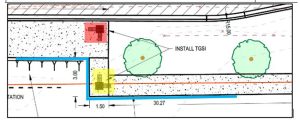
Plenty Road, Doreen, Melbourne
This audit highlighted a common issue with TGSIs within design, namely, overuse.

Waverley Gardens Shopping Centre, Mulgrave, Melbourne
This was a DDA compliance audit for this medium sized suburban shopping centre, covering internals and externals.